
Spearfishing is one of the oldest and most natural ways of harvesting food from the ocean.
At its simplest, a spearfisher enters the water with a mask, snorkel, fins and a speargun, dives beneath the surface on a single breath, finds a fish and decides whether or not to take it.
But anyone who has actually done it knows that spearfishing is about far more than pulling a trigger!
It requires physical fitness, breath-hold ability, knowledge of the ocean, understanding of fish behaviour, patience, discipline and, above all, respect for the marine environment.
A spearfisher does not simply wait for something to be caught.
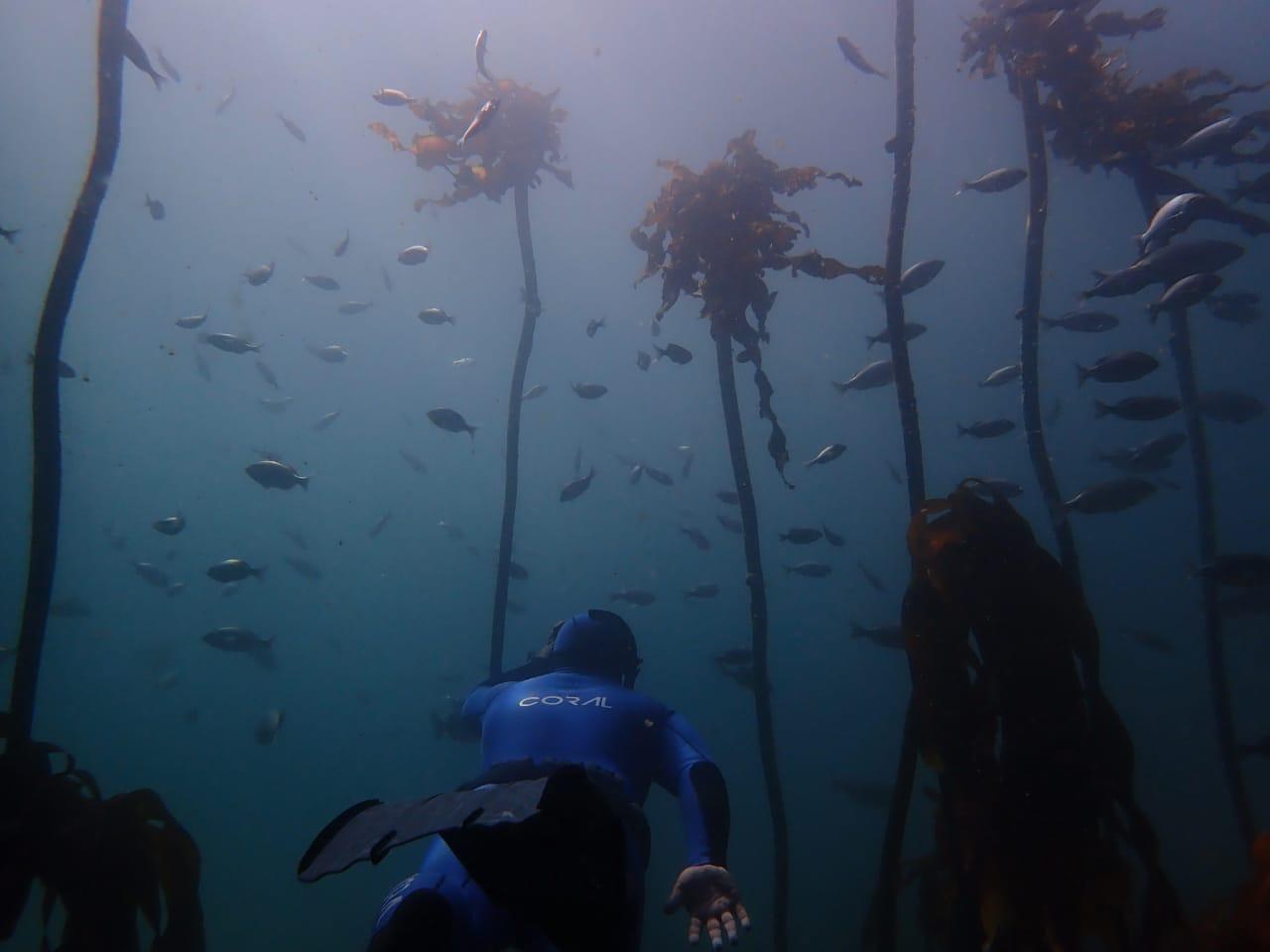
We enter the fish's world.
The Fish Is Chosen Before It Is Caught
One of the greatest differences between spearfishing and many other methods of fishing is that the decision is normally made before the fish is taken.
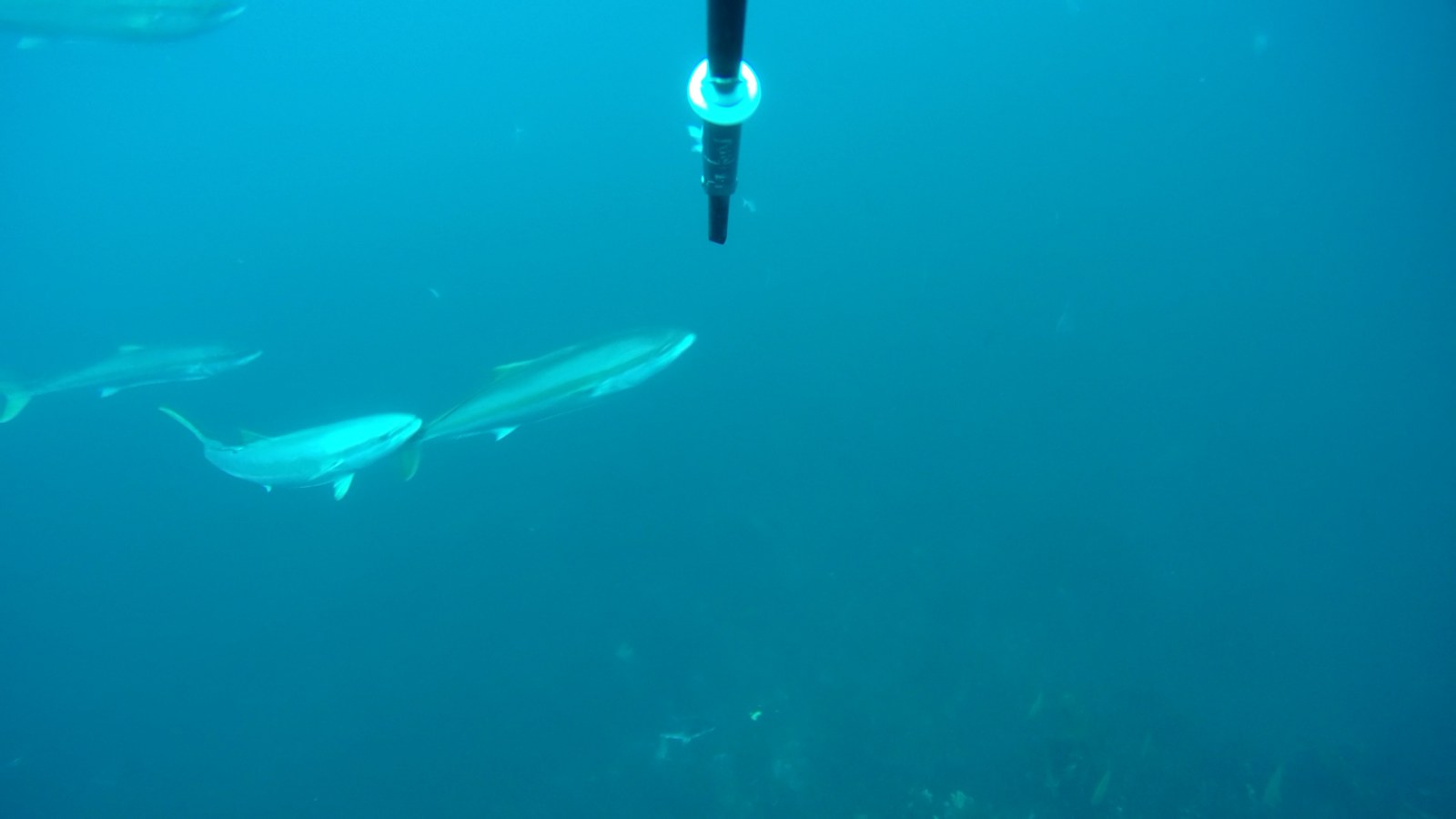
The diver can see the fish. We can identify its species. We can estimate its size. We can decide whether it is a fish we actually want. And then we decide whether to shoot.
If it is too small, we leave it. If it is a protected species, we leave it. If we already have enough fish, we leave it.
And sometimes, even when a fish is perfectly legal to take, we simply decide:
Not today. Let it grow.
That fish may be encountered again years later as a mature adult.
This level of choice makes spearfishing an exceptionally selective method of fishing. The fish is targeted individually rather than being caught first and sorted afterwards.
One Fish at a Time
A responsible spearfisher is not trying to catch everything that swims past.
The entire process can come down to one simple sequence:
See it. Identify it. Size it. Decide. Shoot only if it is right.
That is why normal spearfishing does not produce the routine bycatch associated with less selective fishing methods. The fish is selected before the trigger is pulled.
One Breath Is a Natural Limit
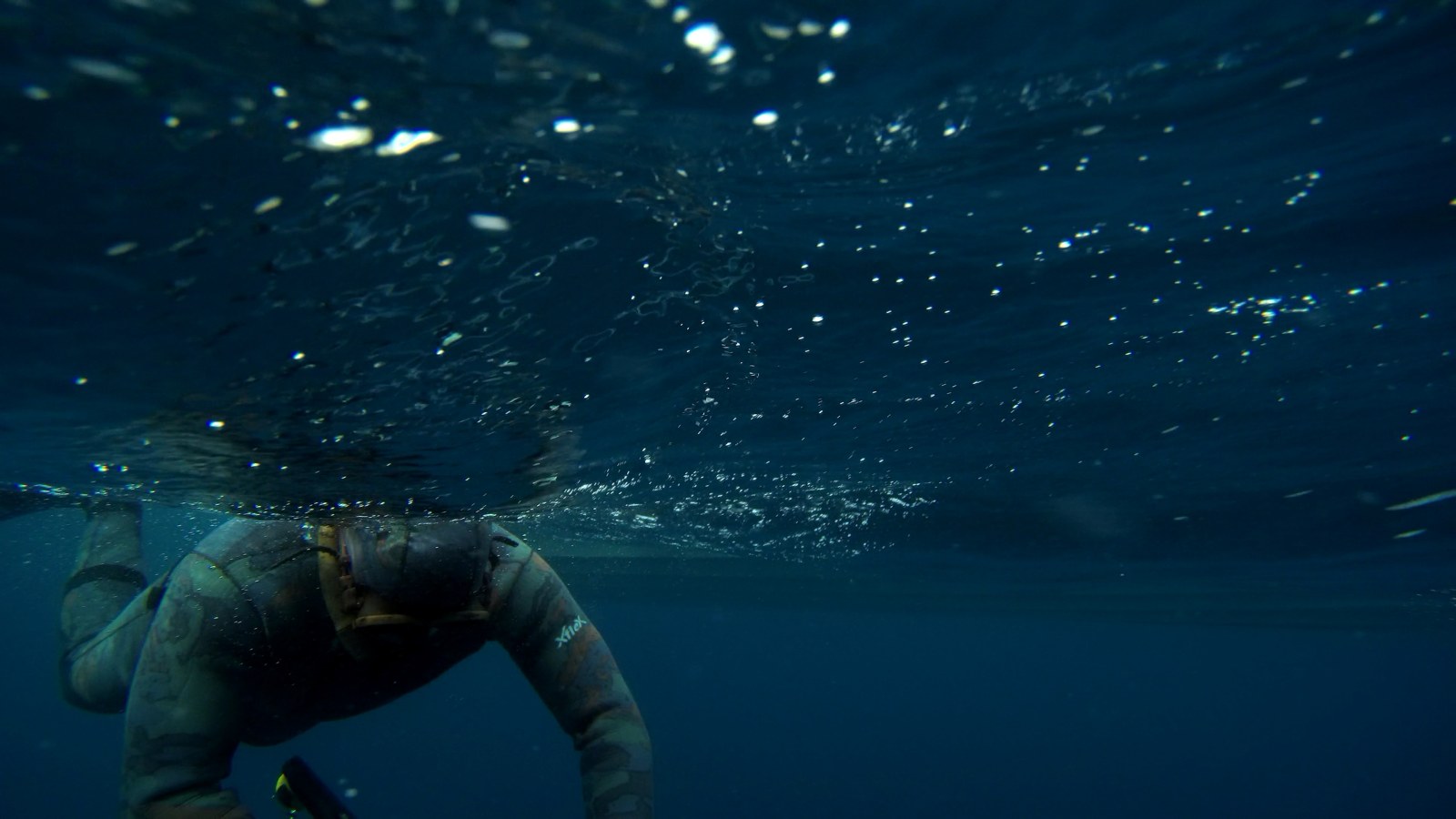
Spearfishing in South Africa by law is a breath-hold activity. Recreational spearfishing is carried out using a speargun without artificial breathing apparatus, apart from a snorkel.
That restriction creates an important natural limitation.
A spearfisher must take a breath at the surface, dive down, search, approach the fish, make a decision and still have enough oxygen to return safely to the surface.
There are no tanks keeping the diver underwater indefinitely.
Depth matters. Current matters. Cold matters. Visibility matters. Fitness matters. And the fish has every opportunity to simply swim away.
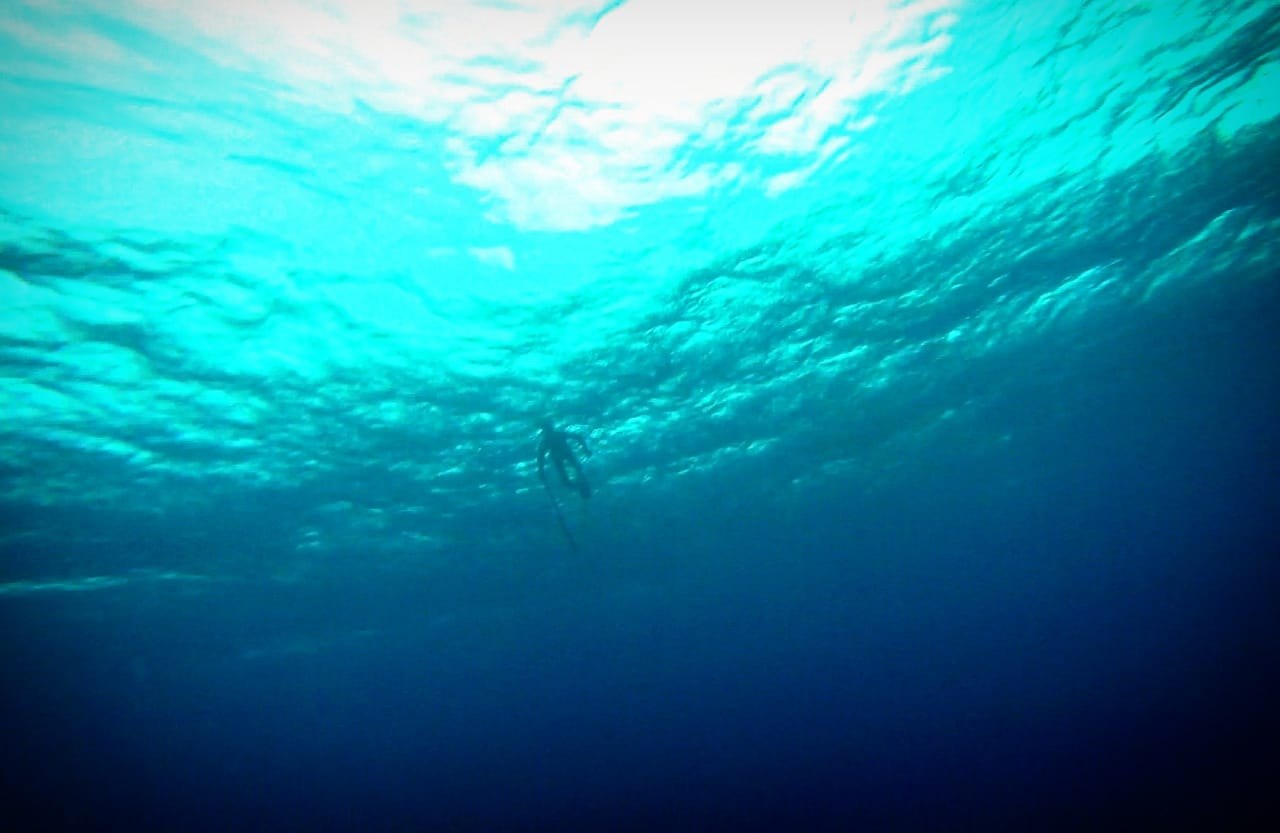
A fish living deep enough, hiding well enough or simply keeping far enough away may be completely beyond the diver's ability to reach it.
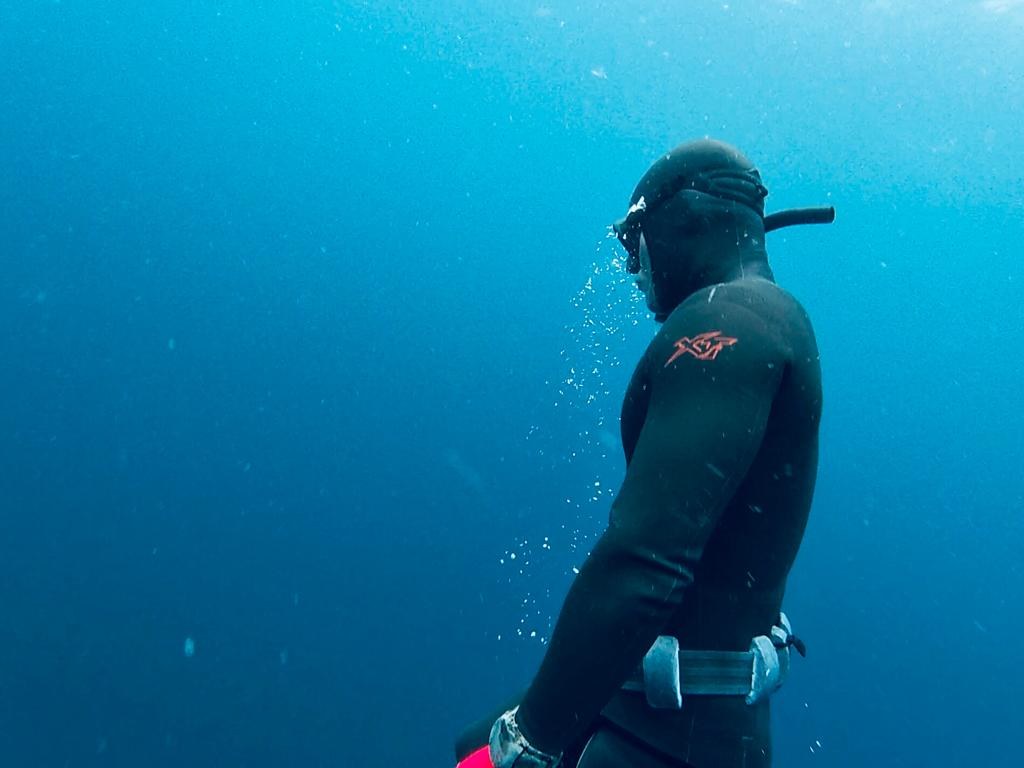
That is part of what makes breath-hold spearfishing so challenging. You are operating within the limitations of your own body!
We See the Ocean Differently
There is another important difference. Spearfishers physically enter the environment from which they harvest.
We swim through the kelp. We feel changes in water temperature. We see juvenile fish. We see breeding fish. We see damaged reefs. We notice plastic, fishing line and pollution. We see areas where fish life is thriving, and we notice when those areas change.
A person who spends hundreds or thousands of hours underwater develops a relationship with the marine environment that is difficult to explain to someone standing on the shore.
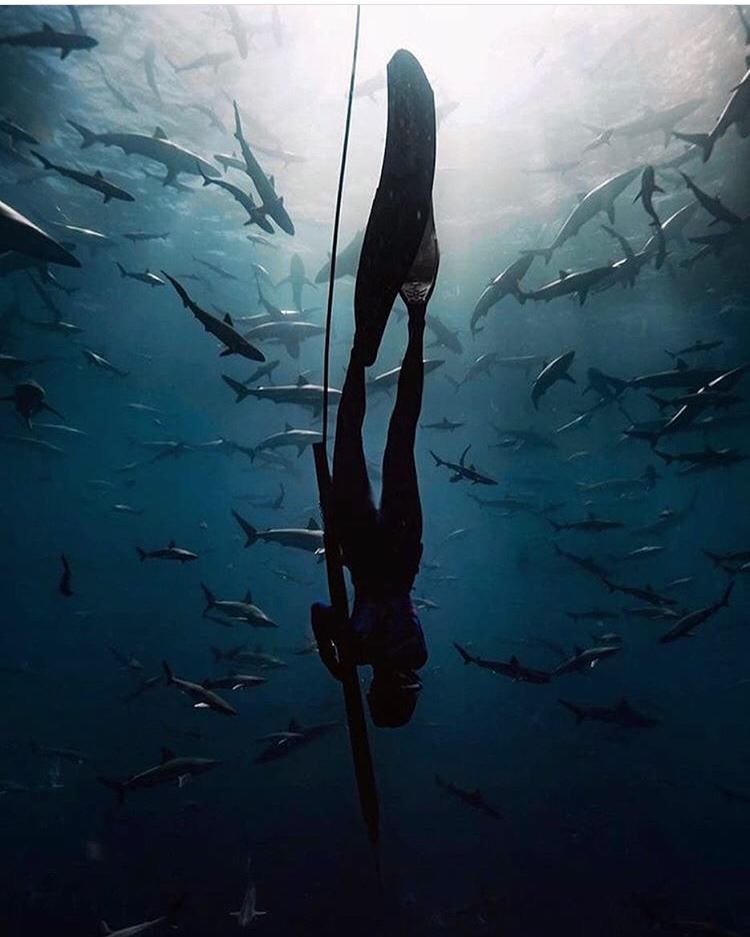
It becomes very difficult not to care about something when you have spent so much of your life inside it.
That is why many spearfishers become passionate advocates for clean oceans, healthy reefs and sustainable fish populations.
Without healthy oceans there can be no future for spearfishing.
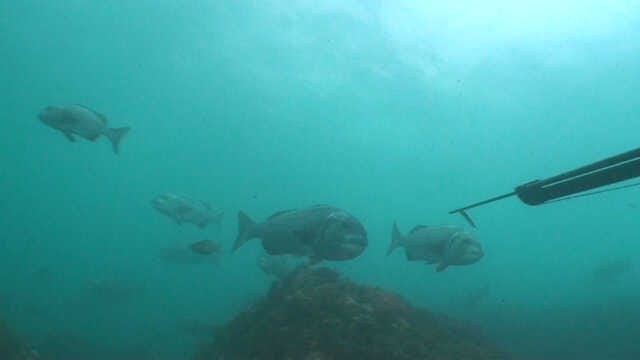
Taking a Fish Does Not Mean Taking Every Fish
Being legally entitled to take something does not mean that you must take it.
South African recreational fishing rules include species restrictions, minimum sizes, bag limits, closed seasons, protected species and protected areas that recreational spearfishers must comply with.
Responsible spearfishing goes further. A good spearfisher learns that the legal limit is a maximum, not a target.
If you need one fish for dinner, why shoot five and then let it go off in a deep freeze somewhere? It’s often better left swimming and breeding. If a fish is only just legal size, why not leave it? If you have already had an incredible dive, why should returning home without a fish mean that the day was unsuccessful?
Some of the best dives end with nothing in the bag.
You may have watched a school of yellowtail pass beneath you, encountered a shark, seen dolphins, found a new reef, or simply spent a few hours completely removed from the noise of everyday life.
Coming home empty-handed does not mean coming home empty.
Harvesting Food Ourselves
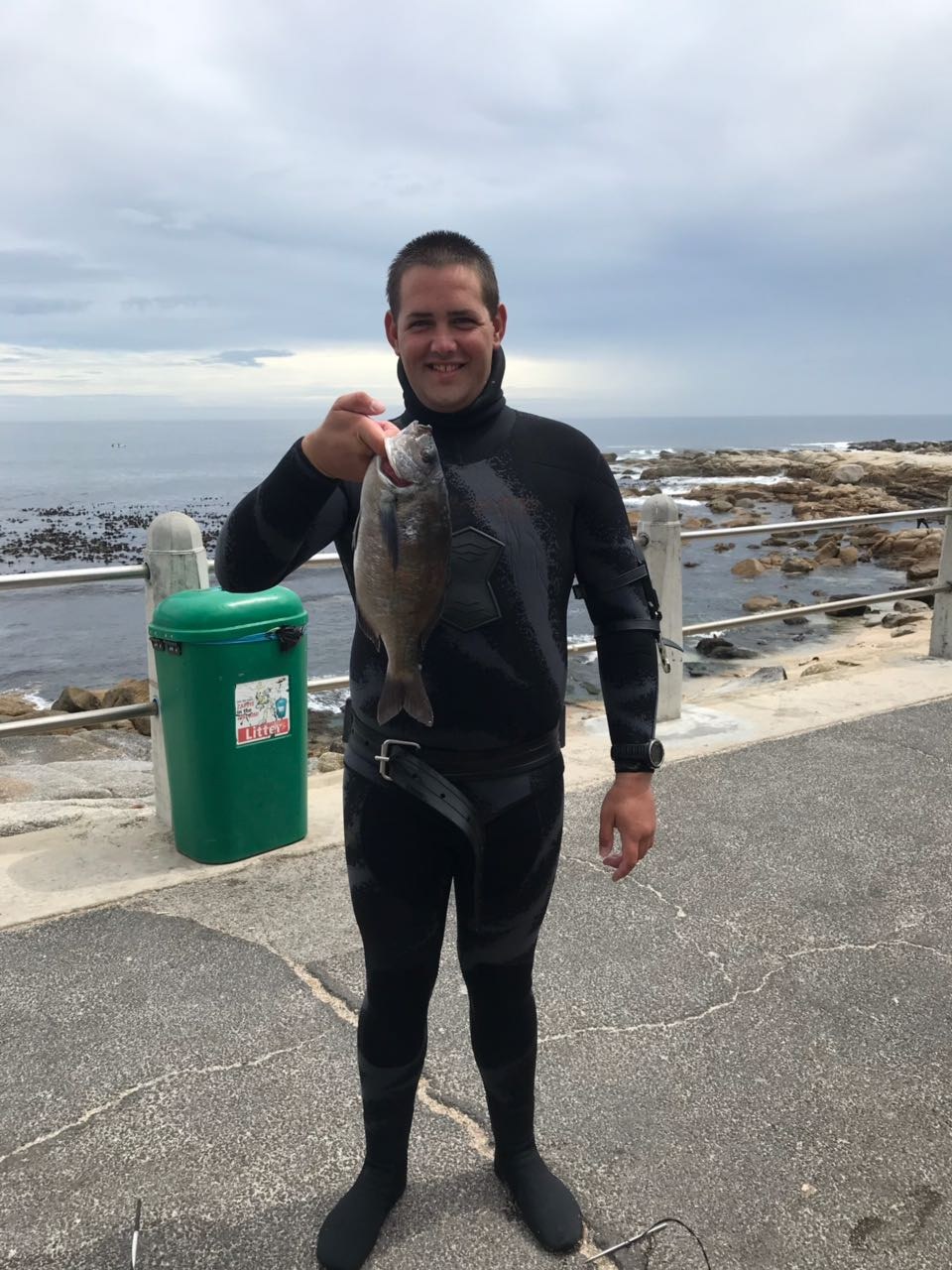
We fish to share with our families and friends, that is our biggest motivation, something very simple from the beginning of time: hunting for food and survival, nothing more.
There is also something deeply satisfying about providing your own food.
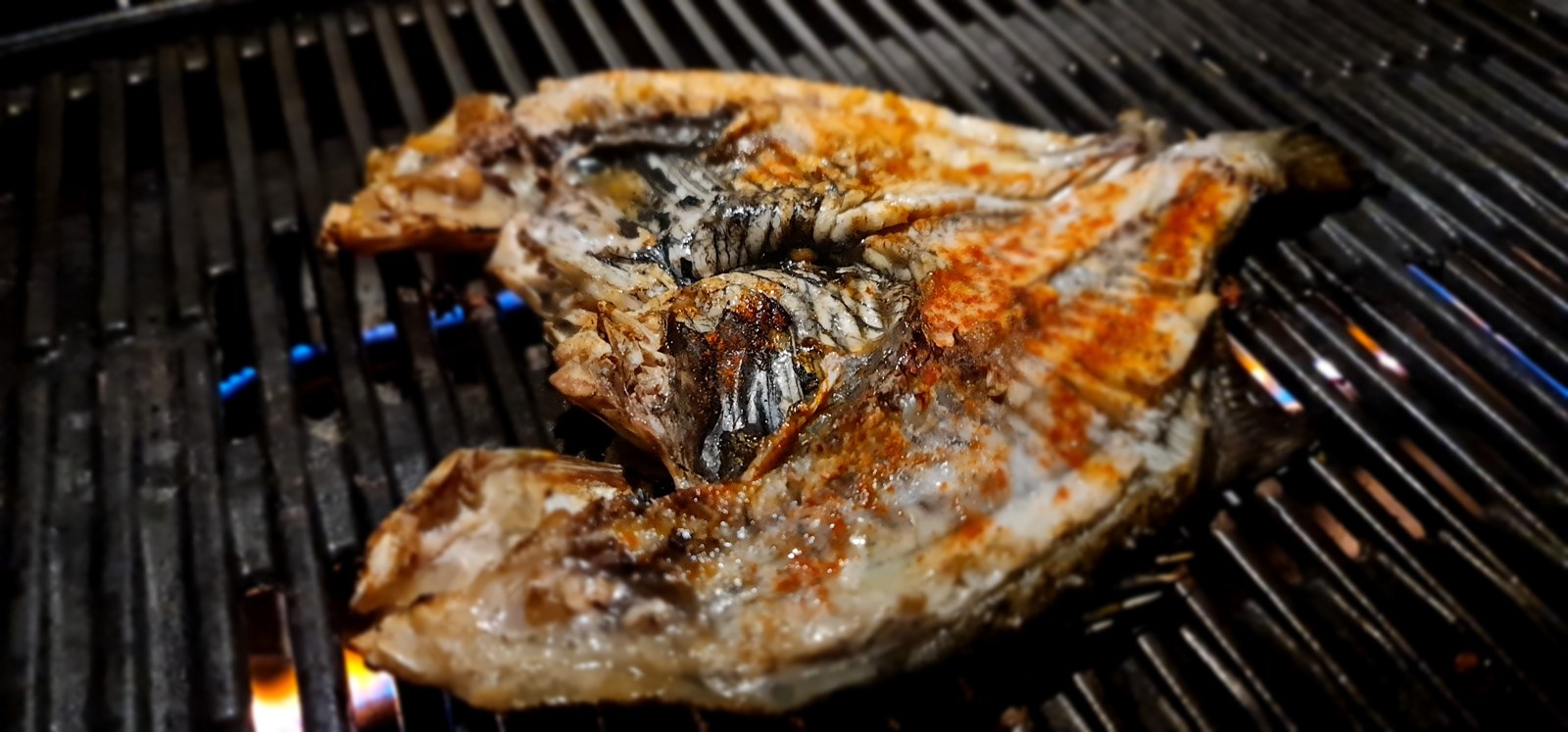
Humans have hunted and gathered food for thousands of years. To enter the sea, find your own fish, harvest it, clean it and ultimately feed your family creates a very different connection with food from simply buying something wrapped in plastic.
A skilled shot can also allow a fish to be killed very quickly, particularly when the diver immediately dispatches the fish after retrieving it.
For many spearfishers, that responsibility matters. We know exactly where the fish came from. We know who caught it. And we know why it was taken.
Selective Fishing Versus Fishing at Scale
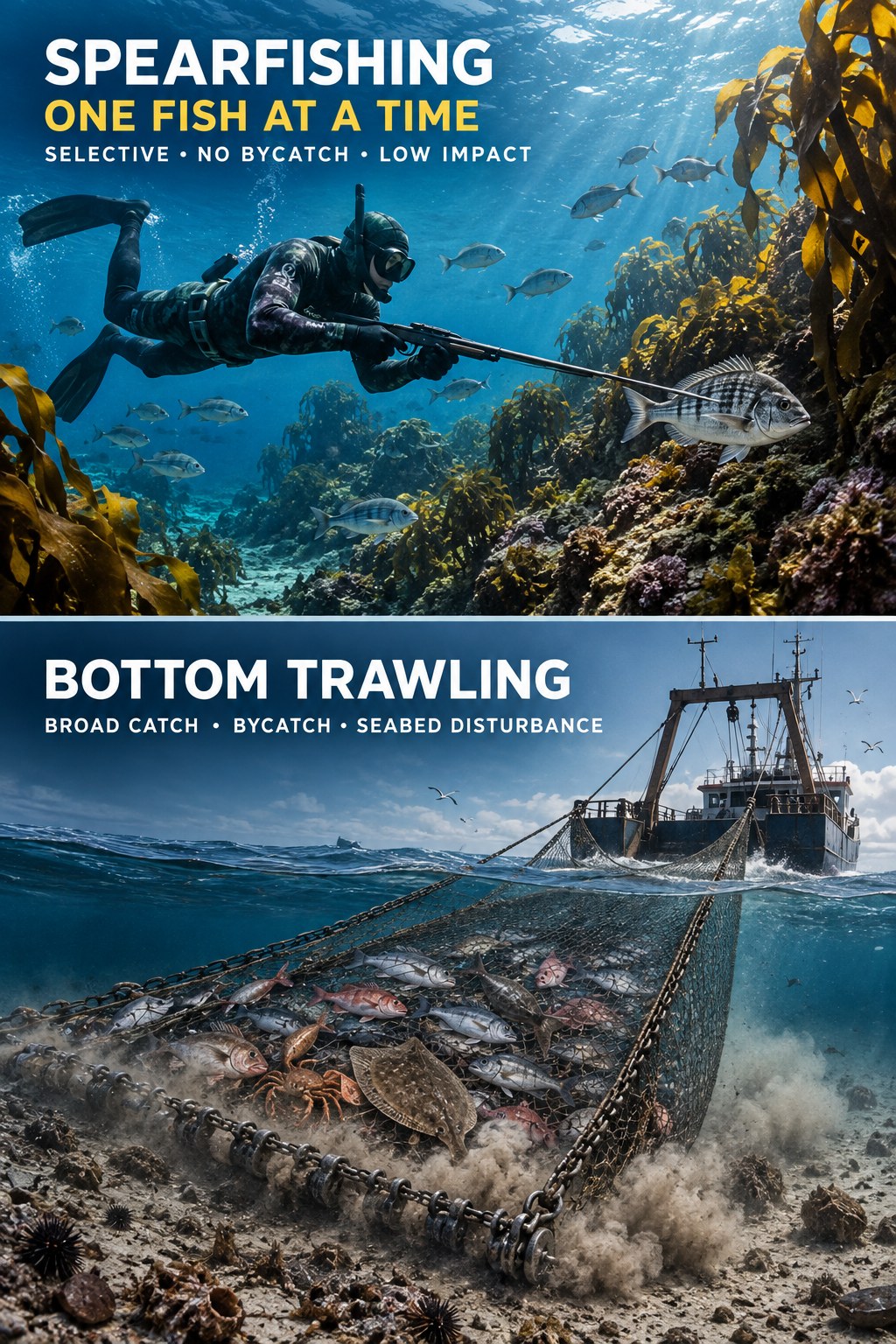
Not every form of commercial fishing is the same, and commercial fishing remains an important source of food and livelihoods.
However, the scale and mechanics of some fishing methods are dramatically different from a person hunting one fish at a time.
Some net fisheries can encounter non-target species along with the intended catch. Bottom trawling can also physically interact with the seabed depending on the gear, location and fishery.
A single spearfisher, by comparison, is looking at an individual fish and deciding whether to take that particular animal.
This difference is important because the public often sees the opposite picture.
Someone walking out of the sea carrying two fish is extremely visible. People on the beach see the diver. They see the speargun. They see the fish.
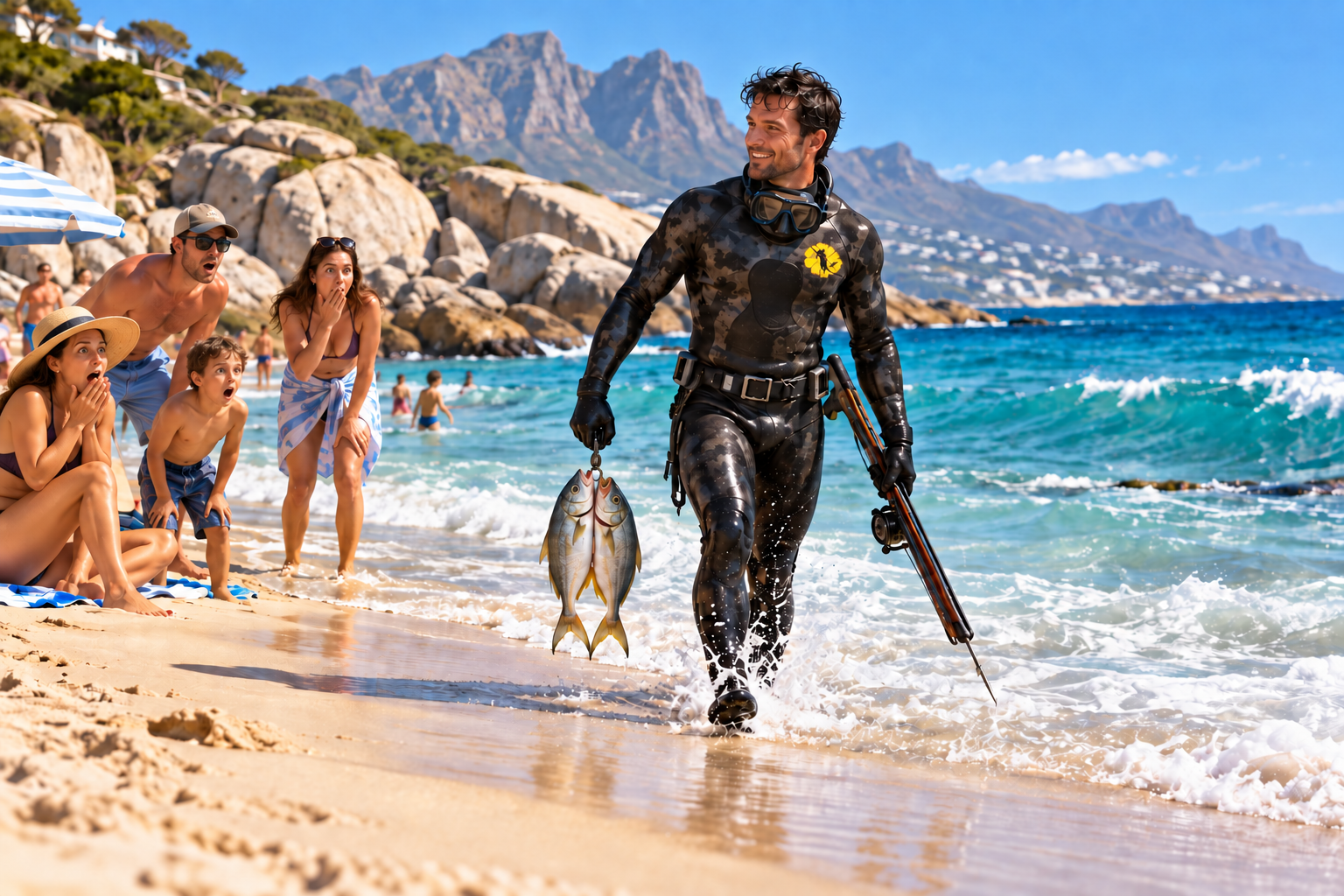
What they generally do not see are the tonnes of seafood being landed through ports, transported by truck, processed commercially and moved into cold rooms.
That visibility can sometimes make a very small recreational activity appear far more significant than it actually is.
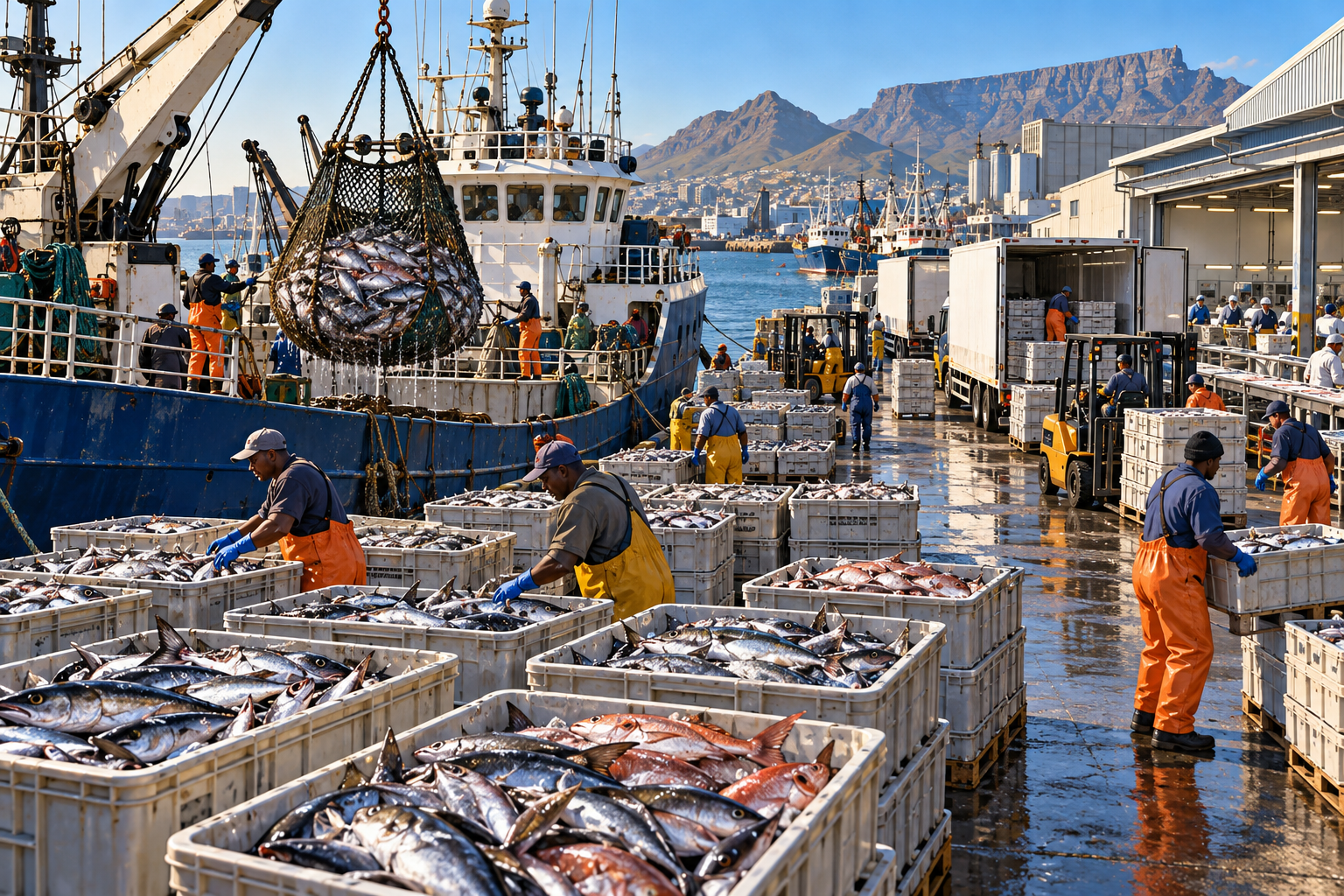
And that is why education & a voice matters.
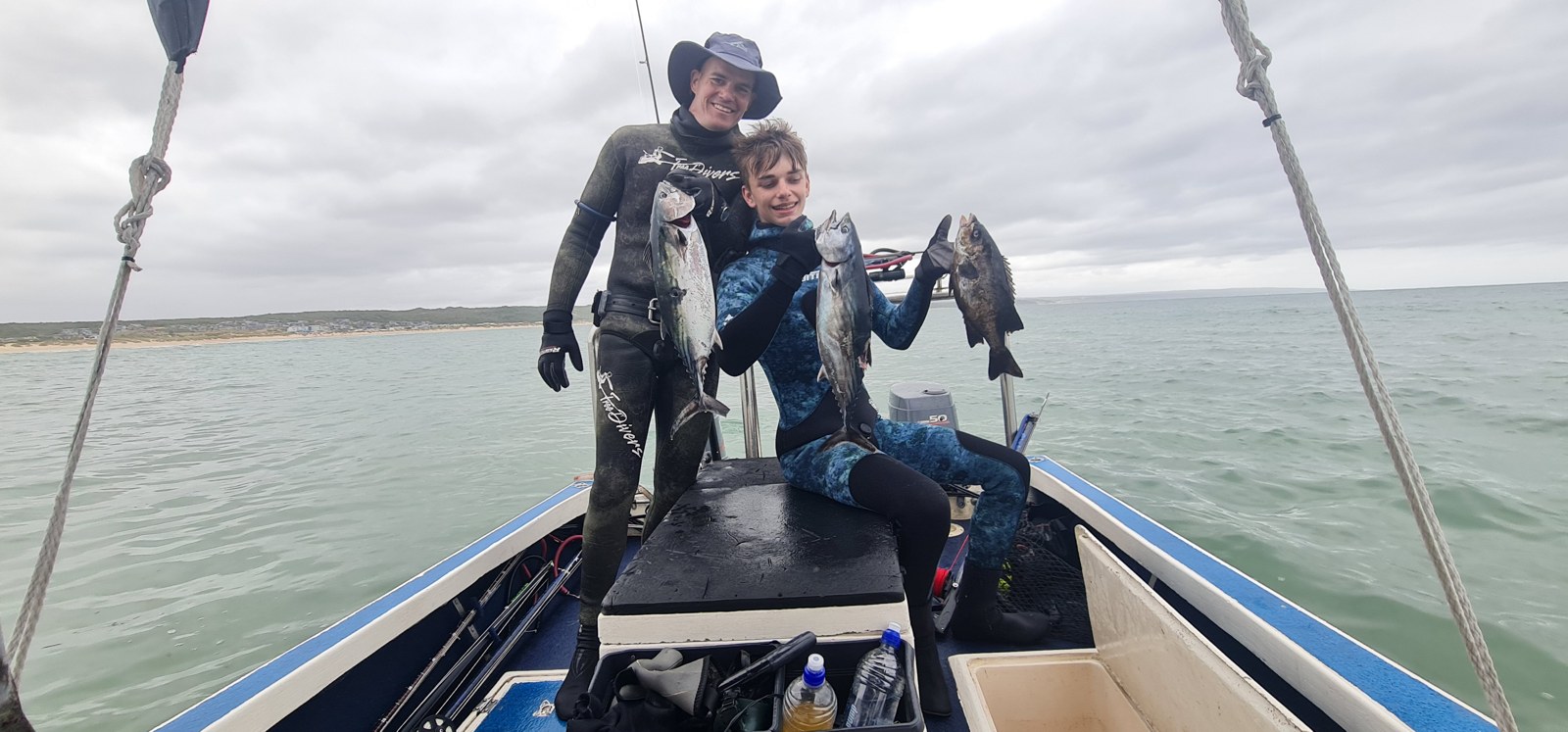
The Responsible Spearfisher
The future of spearfishing depends largely on how we conduct ourselves.
Responsibility does not finish when we leave the water.
We have a responsibility to understand the regulations, know our fish species, respect minimum sizes, obey bag limits and stay out of protected areas.
We also have a responsibility to the image of the sport.
There is little value in practising selective harvesting underwater and then posting a photograph containing a huge pile of dead fish simply because it is technically legal.
Rather photograph the experience. Photograph the ocean. Photograph one or two exceptional fish. Show people the environment in which we dive. Show them why we love it.
The public should see a spearfisher and think: Knowledge. Skill. Selectivity. Respect.
Not unnecessary killing.
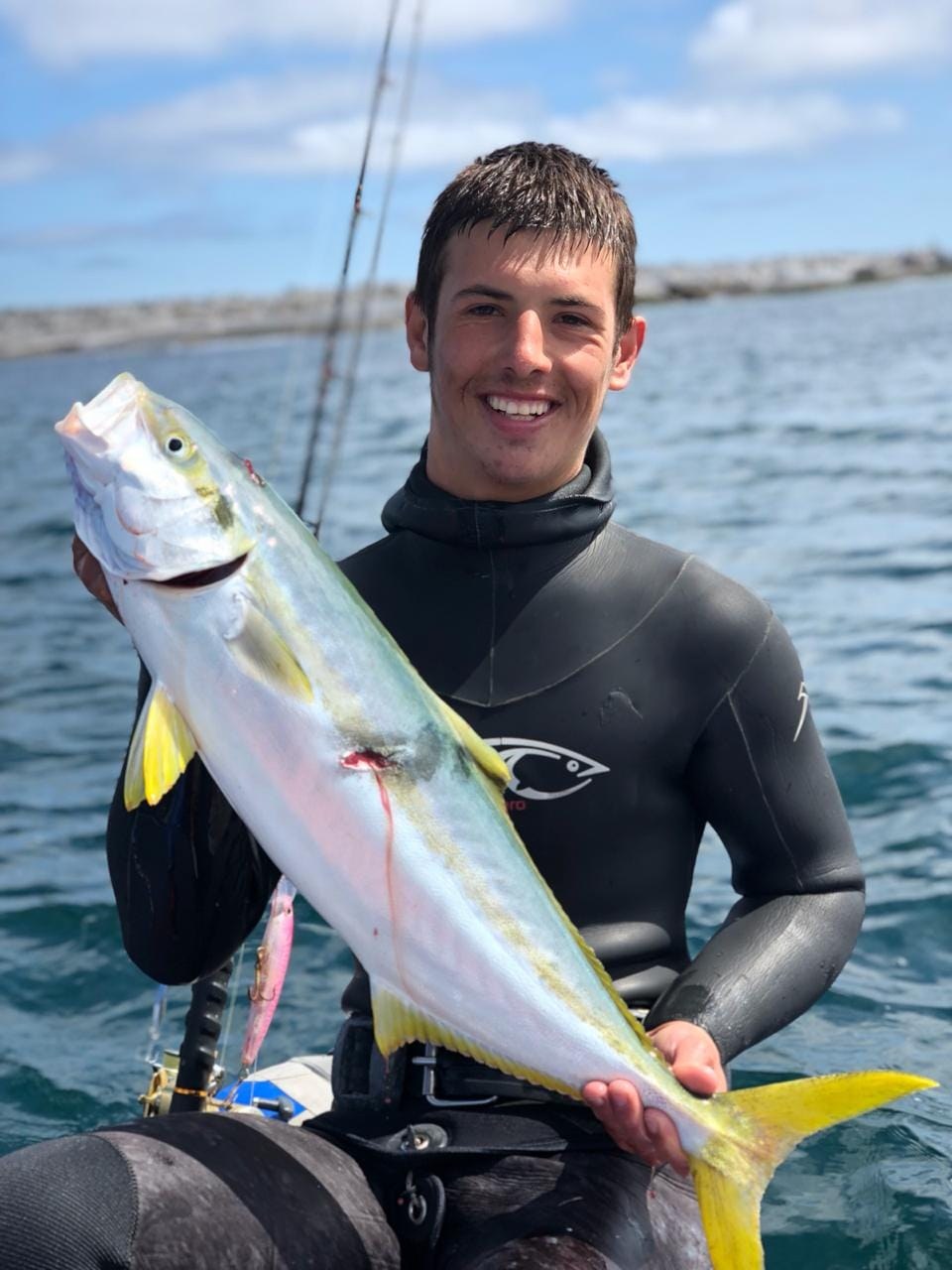
Spearfishing Is Also About What You Do Not Shoot
Perhaps the most important lesson a spearfisher eventually learns is restraint.
When you first start spearfishing, success can mean shooting a fish. Later, success begins to mean something different.
It means recognising the fish before you shoot it. It means knowing the regulations without needing to check afterwards. It means watching a legal fish swim away because you already have enough.
It means seeing a beautiful breeding-size fish and deciding that its value swimming in the ocean is greater than its value on your plate.
And it means understanding that conservation is not something being imposed upon spearfishers.
Conservation is in our own interests.
A healthy ocean means healthy fish populations. Healthy fish populations mean future generations can experience what we experience.
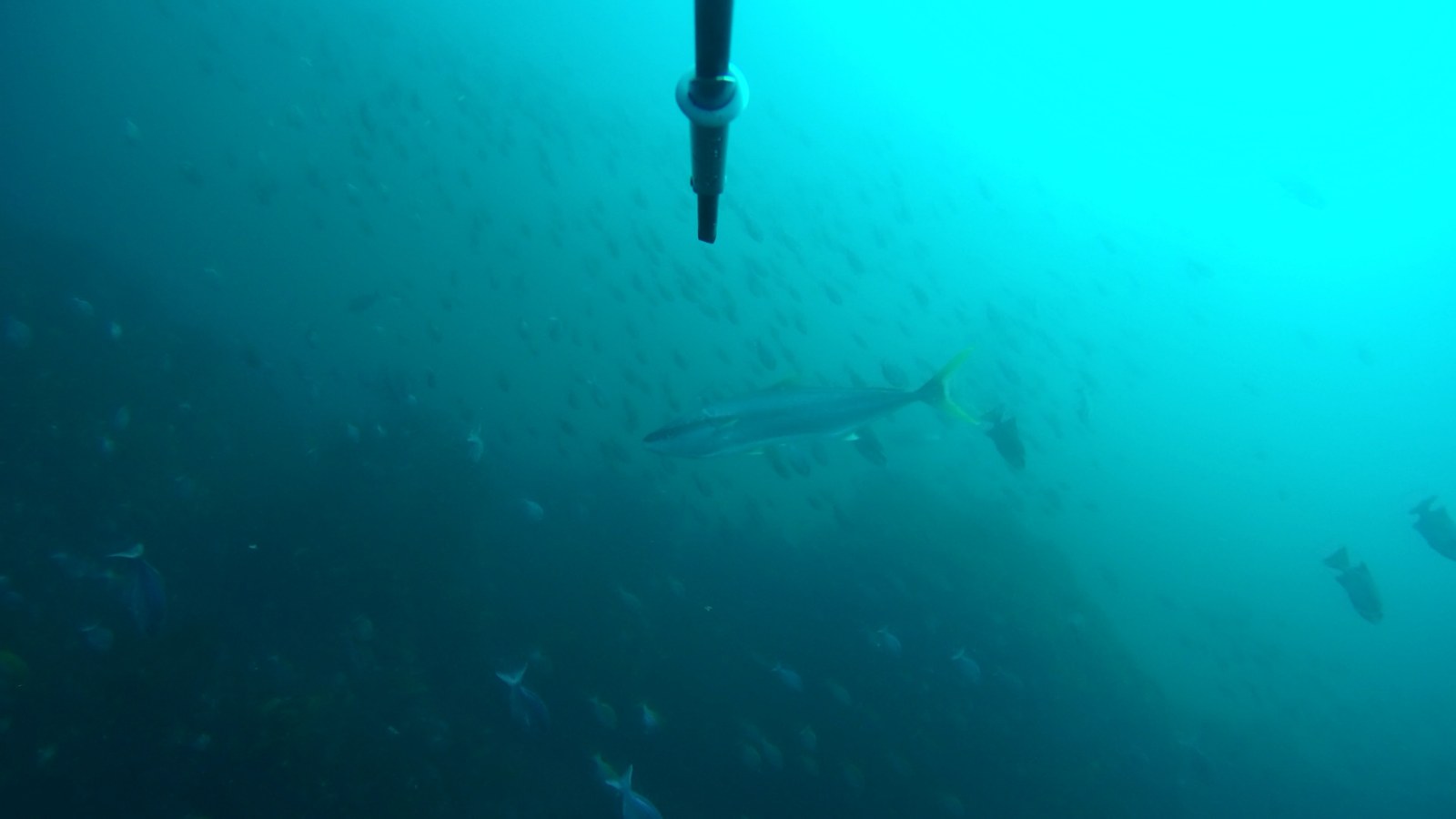
Why Organizations Like BUFA Matter
Spearfishing is a comparatively small sport, which means that many people who make decisions affecting it may never have experienced it themselves.
That makes representation and education extremely important.
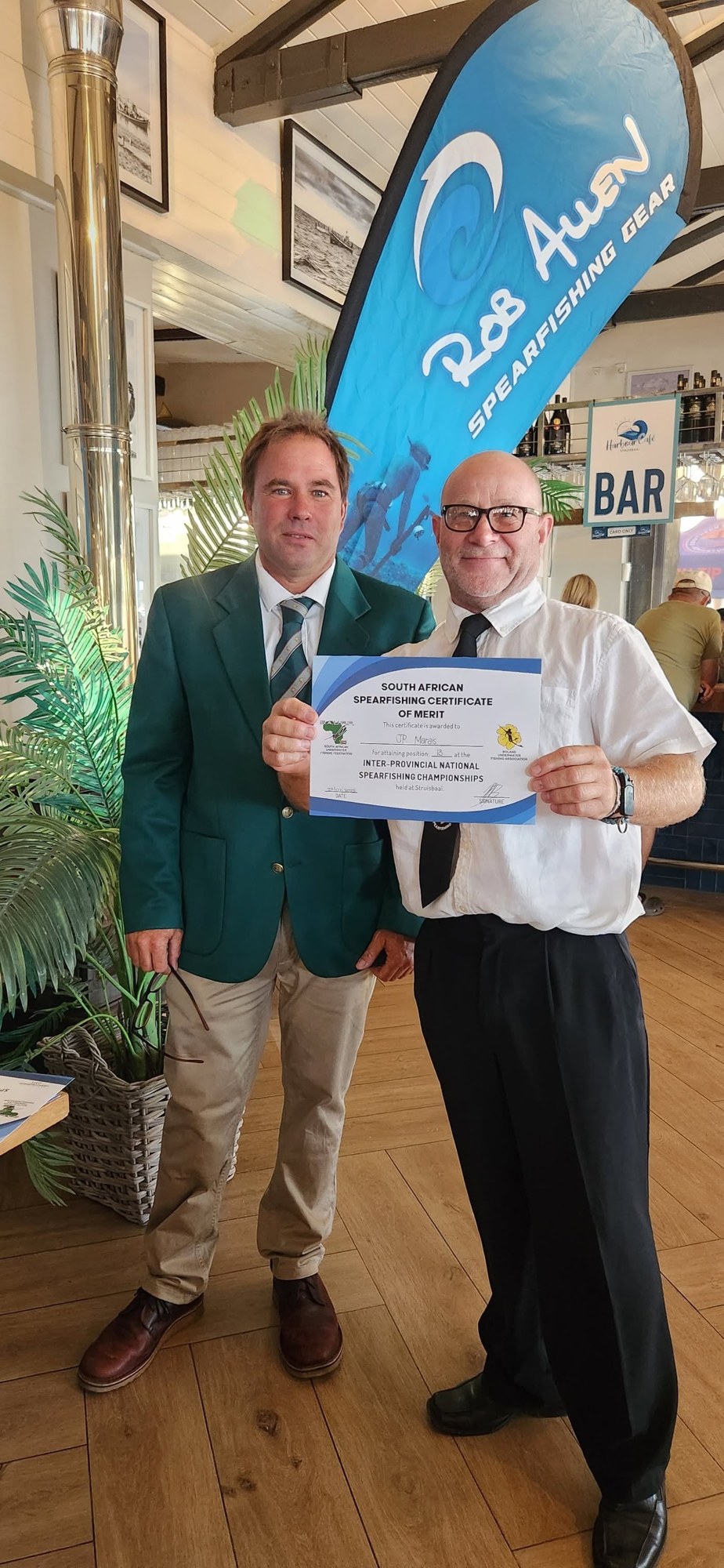
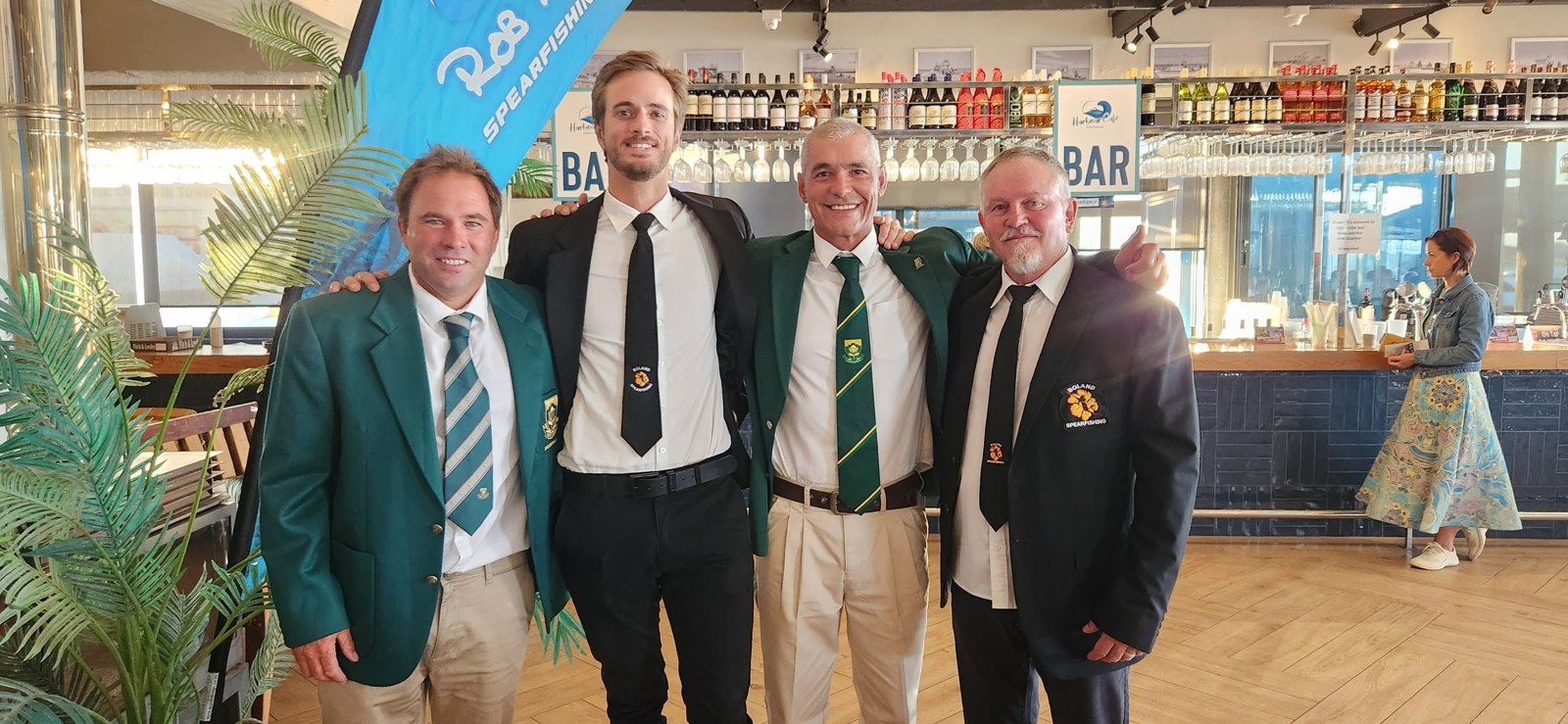
The Boland Underwater Fishing Association (BUFA) has a role not only in competitions and rankings, but also in protecting and promoting responsible underwater fishing.
We need to engage constructively with authorities. We need to support sensible conservation. We need to educate our own members. We need to correct misconceptions about spearfishing. And where regulations are being considered, recreational fishers should have an informed voice at the table.
That does not mean opposing conservation. Quite the opposite. It means making sure that conservation decisions are scientifically sound, properly understood and fairly applied.
Our Ocean. Our Responsibility.
Spearfishing is hunting. It is fishing. It is freediving. It is exercise. It is food gathering. It is adventure. But above all, it teaches respect.
You quickly learn that the ocean does not owe you a fish.
Some days you succeed. Some days the fish wins. Some days you do not even pull the trigger. And that is perfectly fine.
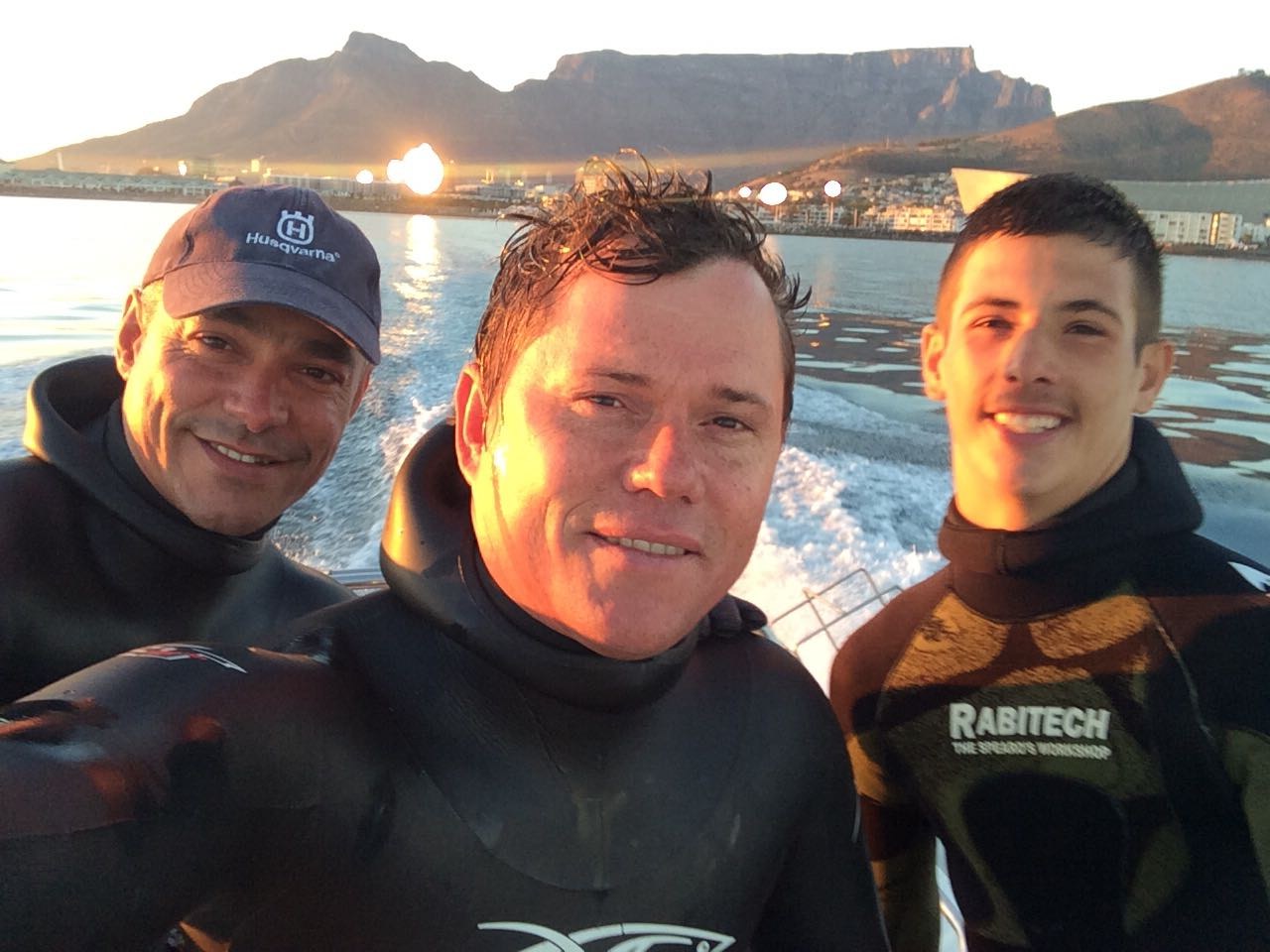
Because a good day's spearfishing was never only about what you brought home. It was about being there.
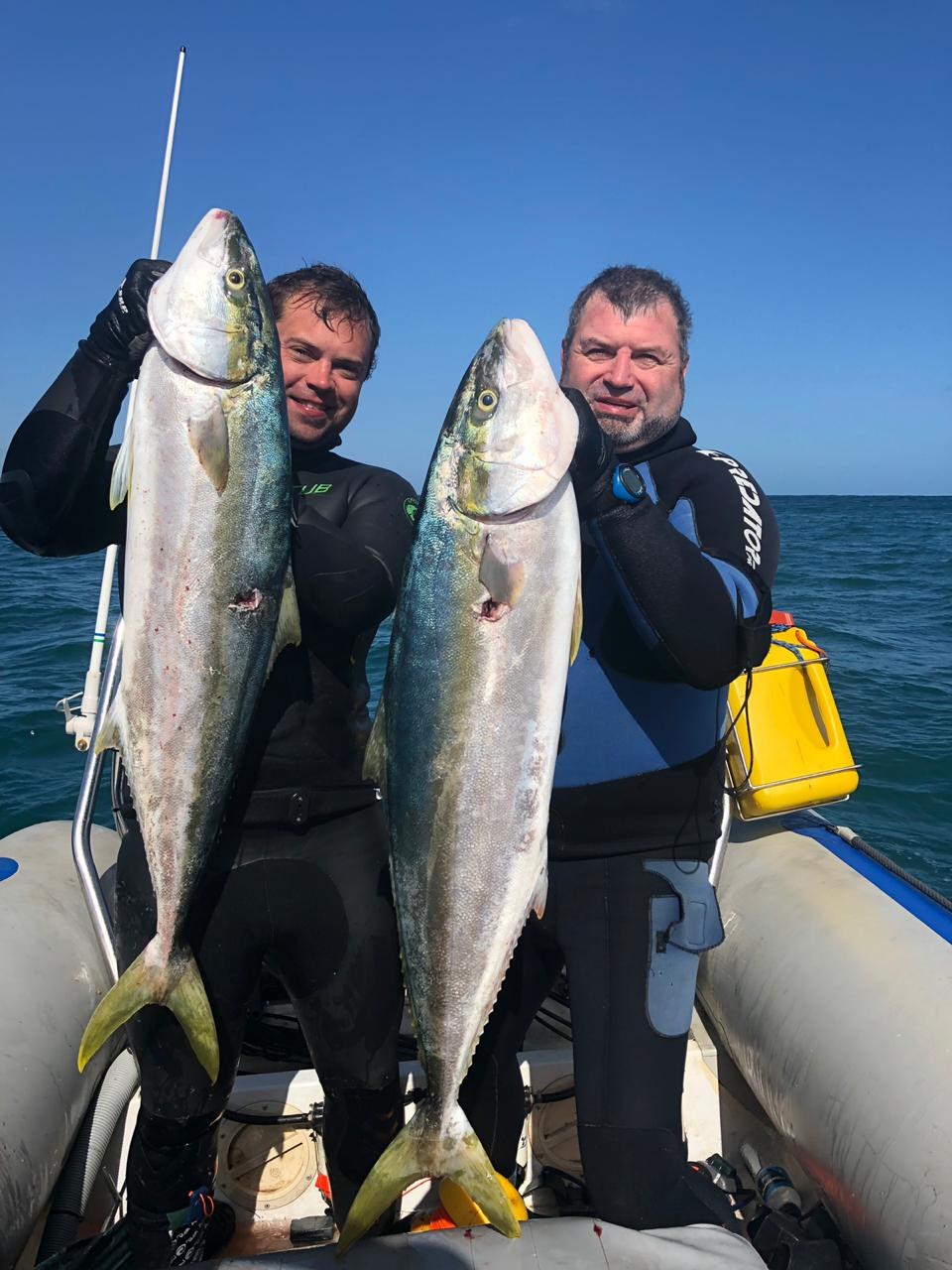
One breath. One fish. One choice.
Take only what you need. Leave the rest for another day.
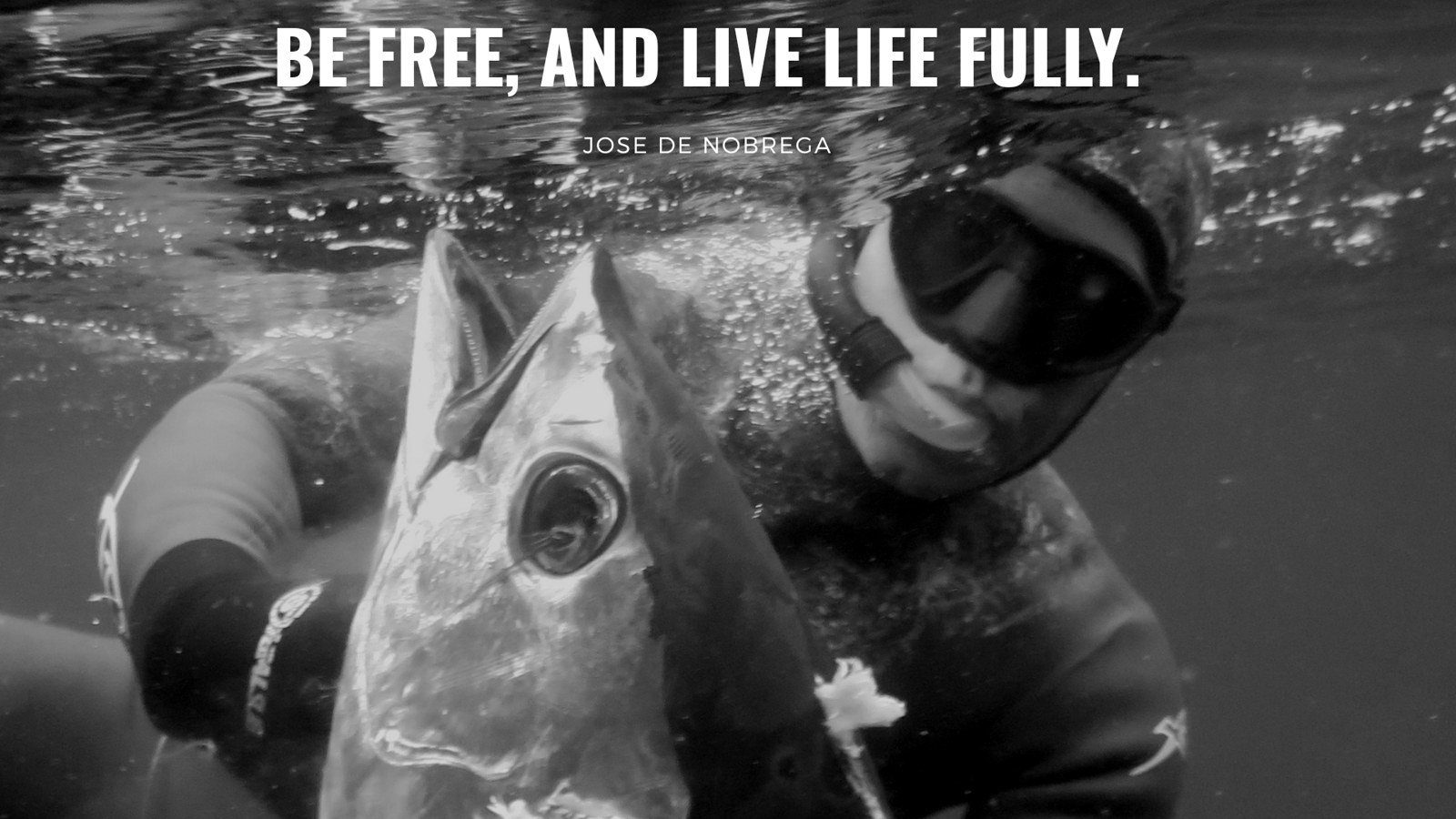
After years of spearfishing, the sea has given me more than fish!
It has given me memories, friendships, adventure, lessons, and a deep respect for the ocean and everything that lives in it!
As a Veteran Protea Spearo, I have come to realise that experience should bring more than skill. It should bring responsibility.
The longer I dive, the more I understand that the true measure of a spearfisherman is not how much he can take from the sea, but how much respect he shows for it, what he chooses to leave behind, and what he does to protect it for those who will come after us!
The sea has been very good to me over the years.
It’s my turn to be good to the sea!
José de Nobrega
Veteran Protea Spearo
23 Sep 2026